
My First Lesson: “Have No Fear, Halloween is Here!”

One of my most memorable moments during my first practicum was teaching my very first lesson on Halloween. I dressed up as the Cat in the Hat and read a Halloween-themed Cat in the Hat story to the class. At first, I was nervous, but once I started, I realized how important energy and engagement are in teaching. The students were excited, involved, and eager to participate, which made the experience so rewarding.
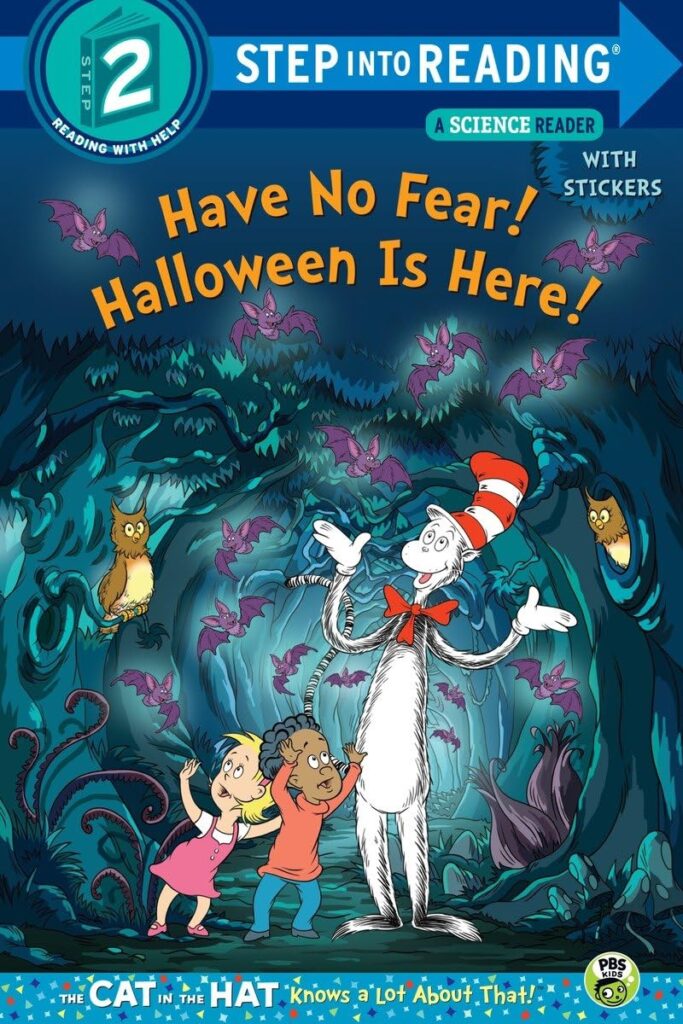
https://www.amazon.ca/Have-Halloween-Seuss-Knows-About/dp/1101934921
Through this experience, I learned a lot about myself as a teacher, but most importantly, I realized how much I love working with younger students. Their enthusiasm, honesty, and excitement for learning confirmed that I want to teach in the primary grades.
Why I Love Working with the Littles

Working with younger students has shown me how exciting learning can be. Their energy, curiosity, and honesty create a positive and engaging classroom environment. Through my practicum experiences, I realized how much I enjoy supporting early learners as they build confidence and develop foundational skills. Younger students are not afraid to try, make mistakes, and ask questions, which makes teaching both fun and meaningful. This has helped me recognize that I want to work in a primary classroom, where I can create engaging, supportive learning experiences that help students grow and feel successful.
What Makes a Great Teacher?
I think a great teacher is someone who builds strong relationships with their students. For me, trust, consistency, and reliability are key in creating a classroom where students feel safe and supported. I believe that strong classroom management comes from these relationships, not just rules. I think students need to know that I will show up for them, support them, and hold them accountable with care. I also believe in “tough love,” where I can have high expectations while still being supportive. I think it is important to show that learning is fun and to model my own love for learning so students feel encouraged to do the same.
From “I Can’t” to “I Can’t Yet”
I used to struggle a lot with the word “can’t.” Growing up, I often felt limited by what I thought I wasn’t capable of doing. I think my mindset really started to shift after I graduated high school, when I began using the phrase “I can’t, yet” instead. That small change helped me realize that growth takes time and that goals are always within reach. I now carry this mindset into my teaching, especially in math. I want my students to feel confident trying new things and understand that mistakes are part of learning. I believe that helping students shift their thinking can build confidence and support their success.